The Empty Chair: What a Clinic No-Show Really Costs
By Abdullah Fadul5 min read
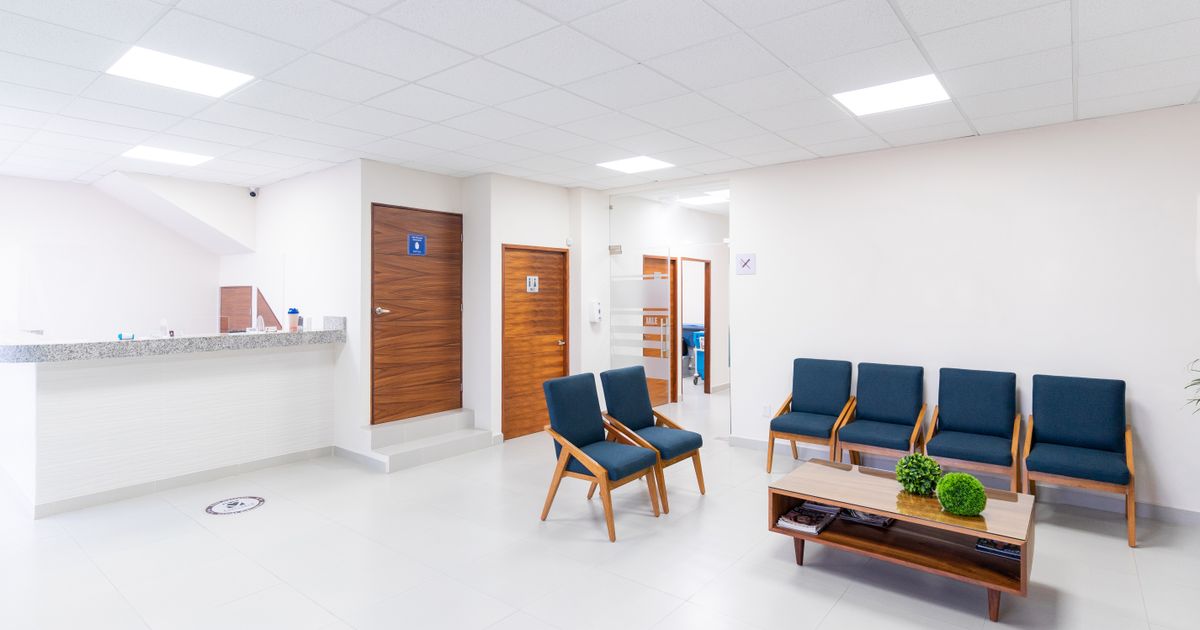
A patient who does not show up costs you more than the session fee — it costs you the patient you turned away because the slot was taken. Here is how to price that and reduce it.
Every private clinic has the same twenty minutes. The room is ready, the file is open, the practitioner is sitting down — and the patient does not arrive. No call, no message. The file closes, everyone moves on, and nobody writes it down anywhere.
That is the problem. A no-show is treated as an incident when it is actually a recurring cost line that appears in no report you read.
The loss is not the session fee
Most clinics price a no-show at the value of the missed appointment. "A 200-riyal slot went empty, so we lost 200 riyals." The real number is larger, because time is not inventory. You cannot sell yesterday's five-thirty.
Work it out on your own numbers rather than an industry average:
- Count the appointments that went unattended last week. Take the figure from your book, not from memory.
- Multiply by your average session price.
- Add the operating cost of that block — practitioner time, nurse, reception, rent per hour. Those are paid whether or not anyone sits in the chair.
- Add the line everyone forgets: the patient who called asking for that exact slot and was told it was taken. They booked elsewhere, and they may have stayed there.
Point four is the expensive one, and it is invisible. The chair was not empty — it was occupied by someone who did not exist, and that phantom turned away someone real.
Multiply the weekly figure by fifty-two. That annual number is what your clinic currently pays for nothing.
Why patients actually miss appointments
No-shows are not one behaviour, and each type responds to a different fix:
- Genuine forgetting. Booked three weeks ago in a two-minute phone call, never written down anywhere. The most common type and the easiest to solve.
- Booking without real intent. The caller was undecided and held a slot "just in case". Holding it cost nothing, so releasing it cost nothing either.
- Parallel booking. Three clinics, same day, and the patient attends whichever answered first or sits closest.
- Avoidance. They remembered, then ran late or changed their mind, and decided that silence was less uncomfortable than an apologetic phone call. That is not disrespect — it is conflict avoidance.
Three of those four share one root cause: booking cost the patient absolutely nothing. Commitment without cost is not commitment. It is intention.
Four changes that actually move the number
1. Make the appointment written, not spoken
An appointment agreed on the phone lives in two people's memory, and the patient's memory is not your responsibility — but it is your problem. An appointment that arrives as a written message with date, time, practitioner and address lives on the patient's device.
Small change in execution, large change in outcome. A patient with a message can check it. A patient relying on recall has nothing to check.
2. Send one reminder, at the right moment
A reminder the day before beats a reminder a week ahead. Twenty-four hours out, the patient can still rearrange their day, and the appointment is no longer distant enough to be forgotten again.
Wording matters more than frequency. "Reminder of your appointment" is administrative and cold. "Your appointment is tomorrow at 5:30 — if that no longer works, tell us now and we will offer it to someone else" does two jobs at once: it reminds, and it opens a dignified exit. An early cancellation is a win, not a loss. It returns the slot to the market while there is still time to sell it.
3. Ask for a deposit on higher-value appointments
This is where most clinics hesitate, worried about pushing patients away. In practice the hesitation is misplaced, on two conditions:
- The amount is small and deducted from the session price. It is not an extra fee. It is part of the price, paid early. That distinction changes how patients hear it entirely.
- It is refundable on early cancellation. "Cancel more than 24 hours ahead and it is returned in full" turns a deposit from a penalty into a fair exchange: you are reserving my time, I am reserving yours.
The point of a small deposit is not to recover the loss. It is to filter out non-serious bookings before they occupy a slot. A patient who will not put down 50 riyals against a 200-riyal appointment is usually the patient who was never going to arrive.
4. Show the policy before booking, not after
A cancellation policy read after a missed appointment feels like a punishment. The same policy shown before confirmation feels like a fair term the patient agreed to. The text does not change. The timing changes everything.
Write it in two sentences, not a page: when the deposit is returned, and what happens if someone does not show without notice. Clarity protects both sides and ends the argument before it starts.
What this does to the practice
The goal is not to penalise patients. It is to move an appointment from a spoken promise to a written agreement with commitment on both sides. When that works, three things change:
- A schedule that is genuinely full, not full on paper.
- Reception staff who track attendance instead of chasing confirmations.
- Serious patients, because people who pay in advance are people who intend to arrive.
Where Mawedly fits
All of the above can be done by hand: a paper book, WhatsApp messages typed one at a time, a bank transfer you reconcile yourself. That works until the clinic passes a certain size, at which point it quietly becomes a full-time job for whoever answers the phone.
Mawedly was built for exactly this: a booking page for your clinic, a deposit paid by bank transfer where the patient uploads the receipt and you confirm it yourself — no payment gateway, no per-transaction fees — automatic reminders, and one screen showing who has paid and who has not.
And because the question always comes up: Mawedly stores no medical data. It holds appointment information only — name, contact number, service, time. The clinical record stays with you, where it belongs.
You can start free and test the idea on one week of appointments before deciding anything.
Start here: open last week's schedule and count the appointments nobody attended. Multiply by your session price, then by fifty-two. That single number will tell you whether this deserves thirty minutes of your week.
Lock in the appointment with a deposit
Mawedly lets you take bookings and collect a deposit by bank transfer, confirmed by you — no payment gateway.
Start freeRead next
Why Attendance, Not Booking Count, Is What Drives Your Reviews
A client who never showed up cannot, by definition, leave a review. The funnel most business owners never see between a booking and a published review, and why timing right after the appointment matters more than assumed.
From a Paper Notebook or Spreadsheet to One Booking Link
A notebook doesn't suddenly 'fail' — the business grows past what it can handle. Three signs it's time to switch, and simple migration steps that don't disrupt your week or lose your data.
Five Common Mistakes When Choosing a Booking System in the Gulf
From the RTL gap to cumulative gateway fees to 'per seat' pricing. Five mistakes that repeat when choosing a booking system, each one showing its cost months after subscribing.
Available in: العربية · English